
Understanding How Payments Are Taxed in Construction
The Construction Industry Scheme (CIS) affects how contractors and subcontractors are paid in the UK. Under CIS, tax is deducted from subcontractor payments before they receive their money. While the system is designed to keep tax flowing to HMRC, it often causes confusion and cash flow issues for businesses in the construction sector.
Understanding how CIS deductions work helps contractors and subcontractors plan finances properly and avoid unexpected tax problems. When CIS is handled correctly, payments stay compliant and predictable instead of frustrating and unclear.
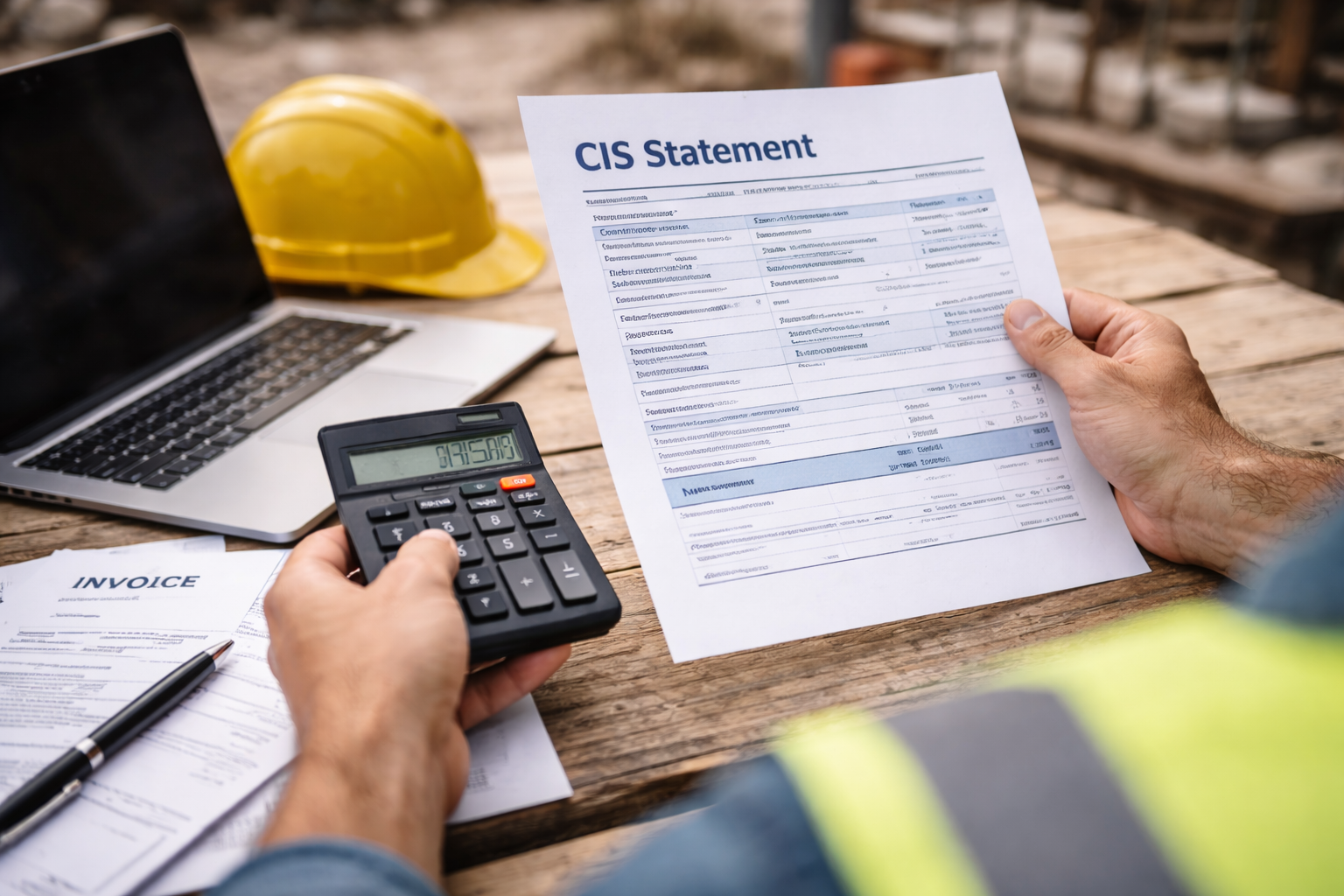

For subcontractors, CIS usually means a percentage is deducted from labour payments before money is received. The standard rates depend on verification status, and these deductions are then reported to HMRC by the contractor. Subcontractors can later offset CIS tax suffered against their Self Assessment or company tax liabilities.
For contractors, responsibilities include verifying subcontractors, making monthly CIS returns, and paying deductions to HMRC on time. Missing deadlines or incorrect reporting can result in penalties. Keeping accurate records and reviewing CIS statements regularly helps both sides stay compliant and avoid cash flow surprises.
CIS works best when both contractors and subcontractors understand how deductions affect cash flow and tax reporting.
CIS does not need to be complicated. With organised records and clear processes, UK construction businesses can manage deductions properly, stay compliant with HMRC, and keep projects running smoothly without financial disruption.